

Despite vaccination, cervical tumors remain a health issue and require treatment improvement. In 2023, Pembrolizumab, an anti-PD-1 immune checkpoint blockade (ICB), was introduced in the case of advanced cervical tumors. This treatment significantly increased progression free survival from 20% to 50%. However, some patients remain resistant to anti-PD-1 treatment, which calls for new targets. In our study, we highlighted poliovirus receptor (PVR) and Nectin-2 as potential ICB targets. Indeed, PVR and Nectin-2 are TIGIT ligands, an immunomodulatory checkpoint expressed by regulatory T cells or exhausted T cells. The binding of PVR or Nectin-2 to TIGIT maintains the immunosuppressive signal in the immune cells allowing tumor progression. Furthermore, we observed that PVR and Nectin-2 were highly expressed on tumor cells and tumor associated macrophages (TAMs) across the different histological subsets of cervical tumors. Therefore, we hypothesized that using anti-PVR and anti-Nectin-2 anti-bodies would lift immunosuppression in cervical tumors. To that end, we used CyTOF to asses precise immunophenotyping of the targets ex vivo, high throughput confocal microscopy to assess phagocytosis, monocyte derived macrophages (MDM) coupled with 3D cell culture models to assess the impact of our treatment on MDM and TAM repolarization and tumor growth. We demonstrate that PVR and Nectin-2 blockade repolarize macrophages towards an inflammatory profile and that this was followed by a reactivation of macrophage cytotoxic function such as phagocytosis. We also demonstrated that anti-PVR and Nectin-2 treatment allowed the control of tumor growth in 2D and 3D cell culture models. We could also develop a pre-clinical model of autologous cell culture from cervical cancer patients. Using the MIVO technology, which combine organotypic culture and fluidics, we could assess peripheral blood mononuclear cells recruitment towards tumor cells in the presence or absence of anti-PVR and anti-Nectin-2. In conclusion we could demonstrate that targeting macrophages via the PVR/Nectin-2 couple reactivates cervical tumor growth control and improves immune cell recruitment.
ABOUT THE SPEAKERS
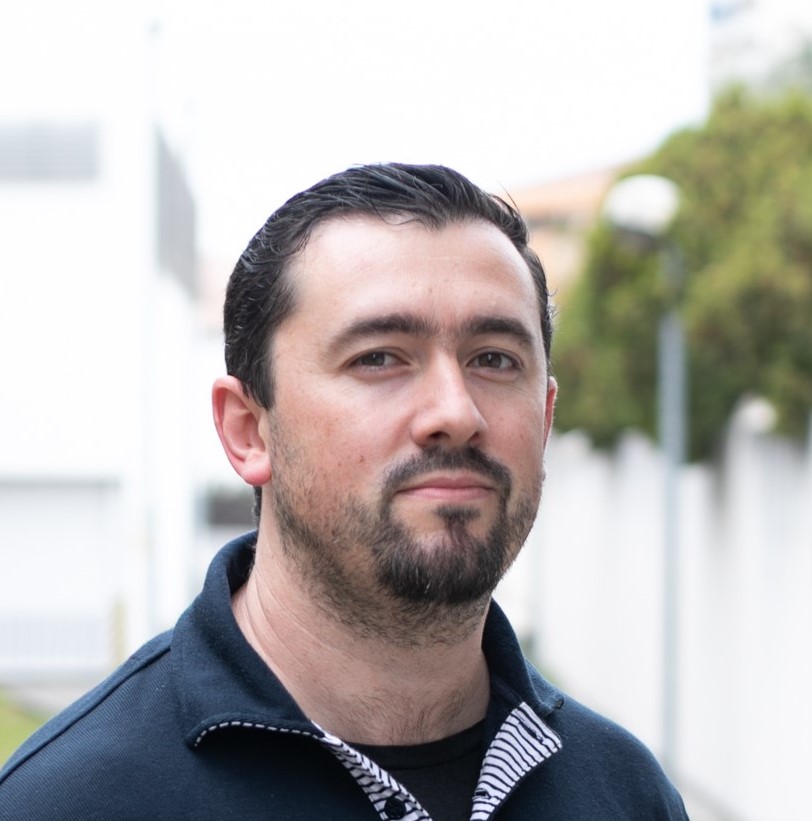
Dr Laurent Gorvel is an immunologist specializing in myeloid cell functions, particularly macrophages and dendritic cells, and their role in the tumor microenvironment. He obtained his PhD in 2013, focusing on dendritic cell and macrophage responses to chronic bacterial infections, before completing a postdoctoral fellowship in Eynav Klechevsky’s laboratory at Washington University in St. Louis, where he investigated dendritic cell regulation of cytotoxic cells in health and disease.
He is currently a postdoctoral researcher in the Immunity & Cancer team and the Immunomonitoring platform at the CRCM in Marseille, where his research focuses on macrophage-mediated resistance to conventional cancer therapies and macrophage-targeting strategies in gynecological tumors. His work combines high-throughput techniques with innovative 3D fluidics-enabled tumor microenvironment culture systems.
He recently co-founded the BIOHAFIA cytometry platform and master’s program in Guinea, contributing to the development of cytometry and immunology in the country.